

Where do you go when you need help? Who do you talk to when no one else will listen? Who can you trust when you need to report something that isn’t right? Who can you trust?
Those questions might have been thought about, but never dreamt of being asked by hockey players in the past because of game’s hierarchical and archaic cultural norms. The inception of the Respect Hockey Culture Center could be an amazing step in the right direction for the game and all those involved, but will it be used?
It’s a daunting task to get the hockey world on the same page about anything, which makes this new initiative groundbreaking and so noteworthy. Five leagues across North America have agreed to implement the confidential centralized platform which provides new access for players and staff to get help, report abuse and misconduct. “Having a common platform where all players as they grow in the hockey world can be familiar with, and therefore be comfortable in case he or she needs to use it, is part of getting to a better place,” said Mario Cecchini, the Commissioner of the Quebec Major Junior Hockey League.
Cecchini is hopeful the familiarity and ease of use will pay dividends in the future. “Young people today use all forms of communication, they’re more used to writing then perhaps talking about so they can describe what’s going on, so they will have different ways to file their complaint,” he added.
From the CHL to ECHL and the AHL the platform will follow them throughout their entire career. “When people are under pressure or if there is a complaint, I think it will be very reassuring for the players or any staff to have that familiarity with the platform especially as they continue to progress throughout the various leagues.”

“It’s one less obstacle when you are perhaps a victim of a trauma, so I think the platform is going to be very helpful,” stressed Cecchini.
Cecchini is incredibly proud of the platform. “I’m very happy we were asked to participate with the process and that all of the leagues have come together and collaborate.”
“It’s so convenient for the players and staff to have a platform like this moving forward. It’s a necessity for the players or staff to know that if something wrong happens, they will have a place to go.”
Will players or staff feel comfortable using the platform given “the code” when it comes to the culture of the game? “I hope so, I hope if something significant happens that they will be comfortable in reporting,” Cecchini said.
Will players or staff feel threatened, or fear retribution if they report or use the platform?
“To your point about hockey culture, it’s a new generation of hockey players and kids, there are somethings that they just don’t tolerate like thing it was in the past.”
“Back in the day there was that “code of silence” in the game, but I believe that’s going away,” explained Cecchini.
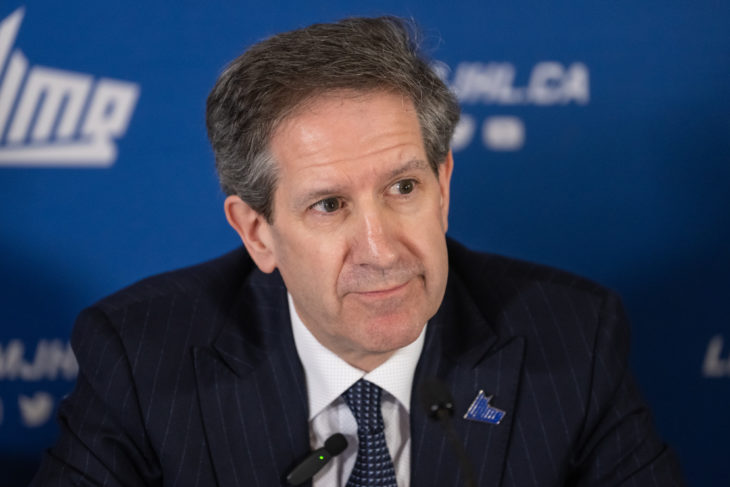
“As far as retribution is concerned, the complaint process is anonymous, when you approach the subject of the complaint, he or she doesn’t need to know who the plaintiff is.”
“We are encouraging everyone to a certain extent, if they see something that doesn’t necessarily involve you, like a situation like abuse, it may involve the person directly like they might have witnessed the incident or scene, they will still enter a complaint.”
“If it’s a one-on-one situation, it’s obviously more difficult, but the complaint is still in, if it was a very serious incident of abuse, then we would need to know rapidly to remove that person from circulation if you will for the timing of the investigation.”
“The new generation and the way they think will help us get away from what you would call the bad side of hockey culture or “the code of silence,” Cecchini said.
The committee that will be handling any complaint reported on the platform will be completely independent from the league which also is a massive step when it comes to building trust the players and staff personnel. What will the framework of communication look like between the QMJHL and that committee?
“It’s completely independent process, that’s the promise the league made last March.”
“It’s called the “Complaint Office”, they will receive and treat the complaint while providing a sense of punishment or sanction that the person targeted should receive once proven.”
The QMJHL board will officially approve the platform in December. The subject of sanctioning was discussed between the league and the Complaint Office. “All of the language around sanctioning is important, we provide them with our list of sanctions, for example, if one infraction was a two-game suspension, which was fair, we don’t want them to come out with like a 35-game suspension for something that was historically two games.”
“There are some discussions on the sanctions, they should know what was done before, obviously it was handled internally, and it was a very good process, but times have changed and to your point it provides more comfort to everyone if the process and it’s structure is an independent one,” stressed Cecchini.
What happens if the complaint is geared toward an entire team or organization?
“Depending on the situation, I will be made aware, if it’s something that they judge or deem that threatens the security of the players or any staff member or is a security hazard they might call me right away so we can act and let the team know so they can act in suspending the person right away.”
In serious instances, the person would be removed from the team or suspended right away, if allegations were of a criminal matter the independent committee would report directly to the authorities. “I think our teams, GM’s and players are very sensitive right now to all of this, they understand the new culture and they understand the things that are absolutely unacceptable, and these sanctions are in line with that,” Cecchini said.
“This platform is a very good step forward and I think it’s going to keep the league even cleaner because of the ease of the program, and at the same time will be severe on the other side of things so everyone will be able to just focus on having fun playing hockey,” said Cecchini.
Where do you go when you need help? Who do you talk to when no one else will listen? Who can you trust when you need to report something that isn’t right? Who can you trust? Every player in the QMJHL can now have all of those questions answered or be heard while not being judged and scrutinized under hockey’s “old” cultural norms.
 The Quick Shift